What Are the Top China Aluminium Rivet Manufacturers?

Time:2026-09-10 Author:Sienna
0%

China’s aluminium industry provides a substantial manufacturing base for global fastener production. The USGS Mineral Commodity Summaries 2025 estimates China produced roughly 43 million metric tons of primary aluminium in 2024, representing about 59% of worldwide output. The International Aluminium Institute reports similarly strong Chinese production volumes. This scale supports material availability, alloy development, extrusion capacity, and competitive component manufacturing.

However, primary aluminium output does not automatically identify the best Aluminium Rivets manufacturer. Buyers need to examine alloy consistency, rivet hardness, mandrel performance, dimensional accuracy, and surface quality. ISO 15973 and ISO 15974 provide useful references for open and closed-end blind rivets. GB/T 12618 is also relevant when reviewing Chinese blind-rivet specifications. Reliable suppliers should connect these standards with practical inspection records, not only attractive product brochures.

Look beyond production volume.

This article examines leading China Aluminium Rivets manufacturers through a buyer-focused lens. It considers factory experience, testing equipment, quality certifications, export history, customization capability, and traceability. A serious supplier should explain how it controls wire preparation, cold forming, heat treatment, coating, and final inspection. Sample reports should show measurable data, such as tensile strength, shear strength, grip range, and salt-spray results.

A ranking is never perfect. Supplier strengths can change with capacity, management, and customer requirements. Some manufacturers perform well in large standard orders but struggle with small customized batches. Others offer strong engineering support yet provide limited overseas documentation. Readers should therefore treat this comparison as a practical starting point, then verify samples, certificates, audit findings, and current production capability before selecting a partner.
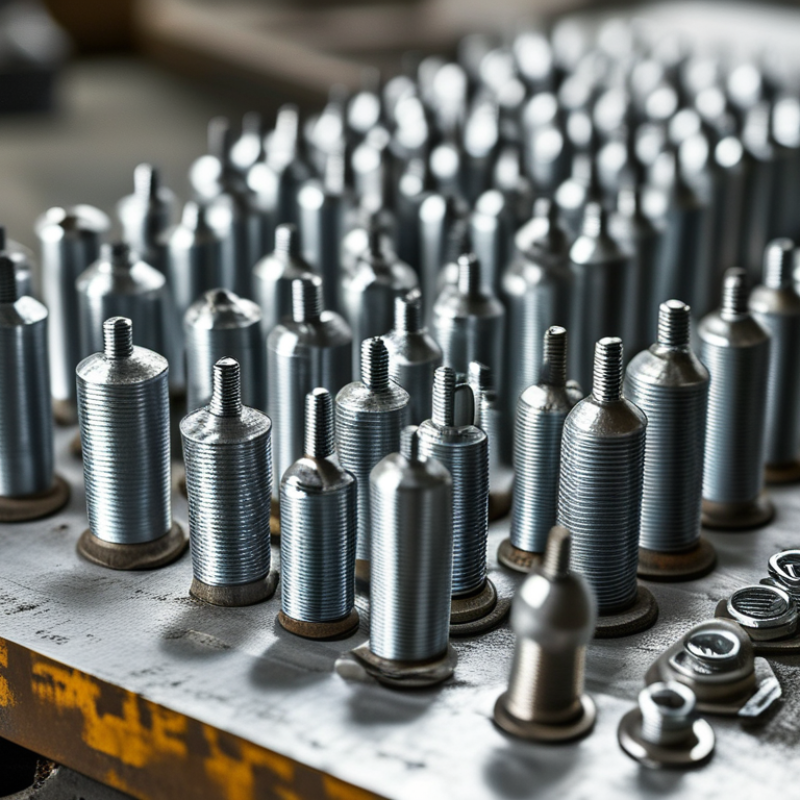
What Are the Top China Aluminium Rivet Manufacturers?

Types and Applications of Aluminium Rivets in China

China’s aluminium rivet manufacturers mainly supply open-end, closed-end, drive, and structural rivets. Open-end rivets suit light sheet assembly, while closed-end designs resist moisture penetration. Structural rivets provide stronger joints for transport frames, machinery, and exterior panels.

Material selection changes performance. 5052 aluminium offers useful corrosion resistance and forming ability. Aluminium-steel rivets combine a light body with a stronger mandrel. Fully aluminium rivets remain practical for electrical cabinets, signs, ductwork, and thin roofing sheets.

According to the International Aluminium Institute, China produced about 41 million tonnes of primary aluminium in 2023. This large material base supports competitive sourcing, but volume alone does not prove manufacturing quality.

Serious buyers should inspect tensile tests, shear results, mandrel retention, coating consistency, and batch traceability. ISO 15973 and ISO 15974 provide relevant dimensional and mechanical references for blind rivets.

The USGS Mineral Commodity Summaries 2024 also reported China as the world’s largest aluminium producer, with roughly 59% of global primary output in 2023. The figure is useful context, not rivet-specific evidence.

That distinction matters.

In field use, a 4.8-millimetre open-end rivet may secure a thin panel, but joint thickness and hole quality still control reliability. Poorly deburred holes can loosen under vibration.

Manufacturers with complete inspection records usually deserve preference. Yet supplier websites often show only polished samples.

Independent testing remains necessary.

Key Criteria for Evaluating Chinese Rivet Manufacturers

What Are the Top China Aluminium Rivet Manufacturers?

When evaluating Chinese aluminium rivet manufacturers, production scale is only one signal. The International Aluminium Institute reported global primary aluminium output above 72 million tonnes in 2024. China supplied the largest share. This broad supply base can support stable material access, but it also creates uneven quality between factories.

A reliable evaluation starts with alloy traceability, dimensional control, and documented testing. Ask for material certificates, batch numbers, and inspection records. Rivet bodies should match the agreed alloy and temper. Check head diameter, mandrel fit, grip range, and shear strength using recognized standards such as ISO or ASTM methods. Independent sampling is useful. Factory samples can look perfect.

Production capability matters too. Review forming equipment, die maintenance, automated inspection, and corrective-action records. The ISO Survey 2023 recorded more than one million ISO 9001 certificates worldwide, yet certification alone does not prove consistent rivet performance. Request recent audit findings and test data from several production lots. Salt-spray results may help for outdoor applications, but they cannot replace mechanical testing.

Cost deserves careful attention. The World Bank Commodity Markets Outlook has repeatedly shown aluminium prices can shift with energy and supply conditions. A very low quotation may reflect thinner material, weaker inspection, or unclear packaging terms. No checklist is perfect. One overlooked detail, such as mixed mandrel materials, can affect assembly reliability. A serious manufacturer explains these risks clearly and accepts third-party verification before volume production.

Leading China Aluminium Rivet Manufacturers by Product Range

China’s leading aluminium rivet manufacturers are often distinguished by product range, not catalog size alone. A capable supplier may offer open-end, sealed, multi-grip, and structural rivets for different assembly conditions. Common materials include aluminium bodies with steel or stainless-steel mandrels. Surface finishes may include plain, anodized, or painted options.

Diameter, grip range, head shape, and mandrel design directly affect fastening performance. Manufacturers serving construction markets usually provide standard sizes for sheet metal, signage, roofing, and light industrial assemblies. More specialized factories may produce large-flange rivets, countersunk rivets, or color-matched versions.

Samples reveal much. Check pull-out strength, shear resistance, mandrel retention, and corrosion behavior through documented testing. Reliable technical files should identify alloy grades, dimensional tolerances, and inspection methods.

Product breadth can reduce sourcing complexity, but it can also hide inconsistent quality. A supplier offering fifty models may control only a few production stages. Ask whether tooling, forming, coating, and final inspection occur under one quality system. Batch traceability and clear packaging labels are practical signs of dependable operations. I would also compare sample results with mass-production records, because early samples can be unusually well finished. That limitation deserves attention. A strong manufacturer explains deviations openly and adjusts specifications before shipment. Clear communication, repeatable testing, and realistic lead times matter as much as the number of rivets listed.

Manufacturing Standards, Quality Control, and Certifications

Choosing a reliable China aluminium rivet manufacturer requires more than comparing prices. Manufacturing standards reveal how consistently a factory controls materials, tooling, and production records.

Experienced manufacturers inspect aluminium coils before stamping. They verify alloy grade, hardness, diameter, and surface condition. During production, workers check rivet length, head dimensions, and mandrel fit with calibrated gauges. Pull-force and shear tests help confirm fastening performance. Some factories also perform salt-spray testing for demanding environments.

Certifications matter, but they need careful review. ISO 9001 can indicate a structured quality management system. RoHS and REACH documentation may support environmental and material compliance. However, a certificate alone proves little. Buyers should confirm its scope, validity, issuing body, and connection to the actual production site. Even strong factories can experience occasional dimensional variation, so honest corrective-action records are valuable.

Tips: Request a recent inspection report, material certificate, and sample test data. Ask how failed rivets are isolated and recorded. Compare measured results, not promises. A small pilot order may expose packaging weakness, inconsistent heads, or tooling wear before full production.

How to Select the Right Chinese Aluminium Rivet Supplier

Choosing the right Chinese aluminium rivet supplier requires more than comparing prices or browsing polished factory websites. The strongest manufacturers usually provide clear alloy options, accurate diameter tolerances, and stable production records. Ask whether the rivets suit your application, such as roofing panels, light frames, or sheet-metal assemblies. Confirm the required grip range, mandrel material, head diameter, and tensile strength before requesting a quotation.

Request production samples from the same line intended for mass orders. Inspect surface finish, hole filling, mandrel break, and installation force. A useful sample check includes several rivets from different boxes, not only selected pieces. Ask for inspection reports, batch numbers, material certificates, and test methods. Reliable suppliers should explain how they control incoming aluminium, forming pressure, heat treatment, and final packing.

Factory communication also matters. Can the technical team answer drawing questions without vague promises? Can they explain what happens when dimensions drift? No supplier is flawless. I would rather choose a manufacturer that admits a limitation and proposes a correction plan. Check export experience, packaging strength, lead times, and response speed as well. A low unit price may become expensive after rework, missing documents, or inconsistent batches. Before signing a long-term contract, use a small trial order with written acceptance standards. That step may feel slow, but it exposes weaknesses early.

What Are the Top China Aluminium Rivet Manufacturers?

How to Select the Right Chinese Aluminium Rivet Supplier

This practical supplier-screening model gives the greatest weight to consistent quality, dimensional compliance, corrosion resistance, and production reliability. Buyers should verify alloy grade, rivet dimensions, tensile and shear performance, surface finish, inspection records, MOQ, lead time, and traceability before placing an order.

FAQS

: What types of aluminium rivets can Chinese manufacturers provide?

: Common options include open-end, sealed, multi-grip, and structural rivets. Some factories also produce large-flange and countersunk designs.

Which materials are commonly used?

Rivet bodies often use aluminium. Mandrels may use steel or stainless steel. Surface finishes can be plain, anodized, or painted.

How should I select the correct rivet size?

Check diameter, grip range, head shape, and mandrel design. Match them with the sheet thickness and assembly conditions.

What tests should I request from a supplier?

Ask for pull-out strength, shear resistance, mandrel retention, and corrosion testing. Request documented methods and results.

What technical documents should a reliable supplier provide?

Useful files identify alloy grades, dimensional tolerances, inspection methods, material certificates, and batch numbers.

How can I check whether samples represent mass production?

Request samples from the intended production line. Inspect rivets from several boxes, not only carefully selected pieces.

What factory controls deserve attention?

Ask about aluminium inspection, forming pressure, heat treatment, coating, tooling, and final packing. Confirm whether one quality system controls these stages.

Is the lowest quotation usually the best choice?

Not always. Rework, missing documents, weak packaging, and unstable batches can increase the final cost.

Should I place a large order immediately?

A small trial order is safer. Use written acceptance standards and compare production results with the original samples.

What warning signs should I consider?

Vague technical answers, unclear deviations, unrealistic lead times, and missing traceability deserve caution. No supplier is flawless.

Can a broad product range guarantee strong quality?

No. A large catalog may hide inconsistent control. Product breadth helps sourcing, but it does not prove production capability.

What limitation should buyers remember about samples?

Early samples can look unusually polished. That matters. Compare them with mass-production records before making a long-term decision.

Conclusion

China’s aluminium rivet industry offers a broad range of products for construction, automotive, electronics, machinery, furniture, and general assembly applications. Aluminium Rivets are valued for their light weight, corrosion resistance, and reliable fastening performance. Common options include open-end, closed-end, large-flange, countersunk, and specialty rivets, each designed for different material combinations, load requirements, and working conditions. When evaluating Chinese manufacturers, buyers should consider production capacity, material consistency, dimensional accuracy, customization capabilities, delivery reliability, and technical support.

A dependable supplier should maintain strict quality control throughout material inspection, forming, surface treatment, and final testing. Relevant manufacturing standards, traceability systems, inspection records, and internationally recognized certifications can provide additional assurance. To select the right partner, buyers should clearly define rivet specifications, application requirements, order volumes, packaging needs, and expected service levels. Comparing samples, testing performance, reviewing quality documentation, and communicating directly with the manufacturer can help ensure a suitable balance of quality, cost, and long-term supply stability.

Sienna

Sienna

Sienna is a skilled marketing professional with a deep expertise in our company’s core products and services. With a passion for innovation and detail, she plays a pivotal role in crafting insightful blog posts that not only highlight the unique features of our offerings but also provide valuable......