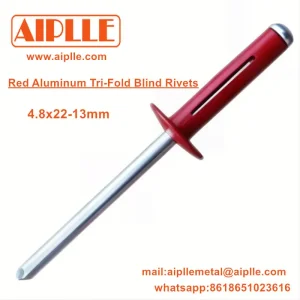
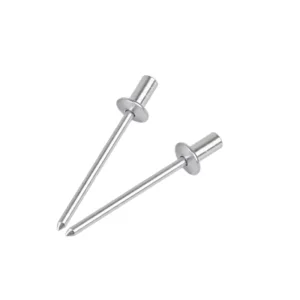
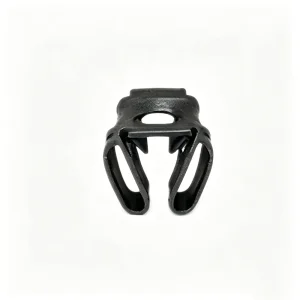
Explore our flagship heavy-duty threaded inserts and blind fastener engineered for extreme structural performance.
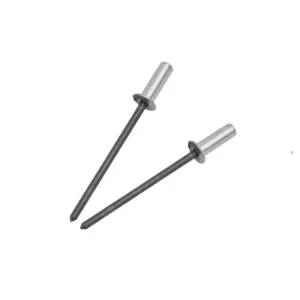
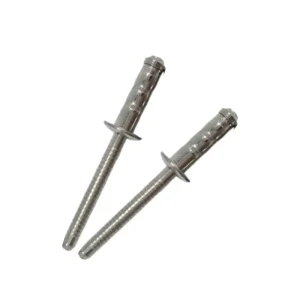
An in-depth technical breakdown of load-bearing thread reinforcement in low-shear host materials.
In modern B2B manufacturing, the transition toward lightweight alloys (such as 6061-T6 aluminum, magnesium alloys) and advanced composite structural panels (CFRP, GFRP, honeycomb cores) presents a fundamental engineering paradox: while the parent materials offer exceptional strength-to-weight ratios, their internal shear strength is insufficient to support direct, high-torque threaded mechanical fasteners. Repeated dynamic loading, thermal expansion differential, and intense vibrational environments inevitably cause thread stripping, micro-fretting, and joint structural failure.
Heavy Duty Threaded Inserts serve as the critical mechanical bridge. Designed with thick wall profiles, specialized external anchoring keys (Keylocking Inserts / Keenserts style), heavy-duty knurling, or expansive blind rivet nut barrels, these components redistribute localized stress concentrations across a significantly larger surface area within the substrate material.
The total pull-out resistance ($F_{pull}$) of a heavy-duty threaded insert installed into a ductile light alloy substrate is governed by the shear engagement area of the external thread/knurl geometry:
F_pull = π × D_ext × L_eff × τ_yield × K_eng
Where D_ext is the major external diameter of the insert, L_eff is the effective thread engagement length, τ_yield is the ultimate shear strength of the parent material, and K_eng is the empirical engagement efficiency factor (typically 0.75 to 0.88 depending on key locking or full hex anti-rotation geometry).
Manufactured from 304/316 Stainless Steel for extreme marine corrosion resistance, 4140 Alloy Steel heat-treated for ultra-high tensile strength, or Grade 5 Titanium for aerospace weight mitigation.
Pre-assembled key-locking pins driven mechanically into the parent material threads provide absolute physical locking, preventing torque-out under extreme rotational shear forces.
Engineered tolerance fits absorb operational harmonics and differential thermal expansion rates between steel fasteners and aluminum/composite assemblies without backing out.
A global leader in standard and custom engineered heavy-duty blind rivets, rivet nuts, and non-standard mechanical fasteners.
WUXI AIPLLE METAL PRODUCTS CO., LTD. is specialized in blind rivet, rivet nut and Non-standard fastener manufacturing for many years. Operating with a relentless commitment to engineering precision, our ISO9001-Compliant quality control eliminates defects, ensures consistent performance, and protects your production lines from costly returns—so you can build absolute trust with your global customers effortlessly.
With our rigorous IATF16949-2016 quality management system specifically configured for automotive fastener production, we provide highly stable, guaranteed structural components to Tier-1 automotive and industrial OEMs. Powered by an experienced R&D engineering group, we deliver over 10 annual technology innovations to address shifting market demands, tackle new application challenges, and enhance your assembly line efficiency and global competitiveness.
Our dedicated professional technical and after-sales support teams respond instantly, ensuring your supply chain remains seamless, scalable, and uninterrupted.
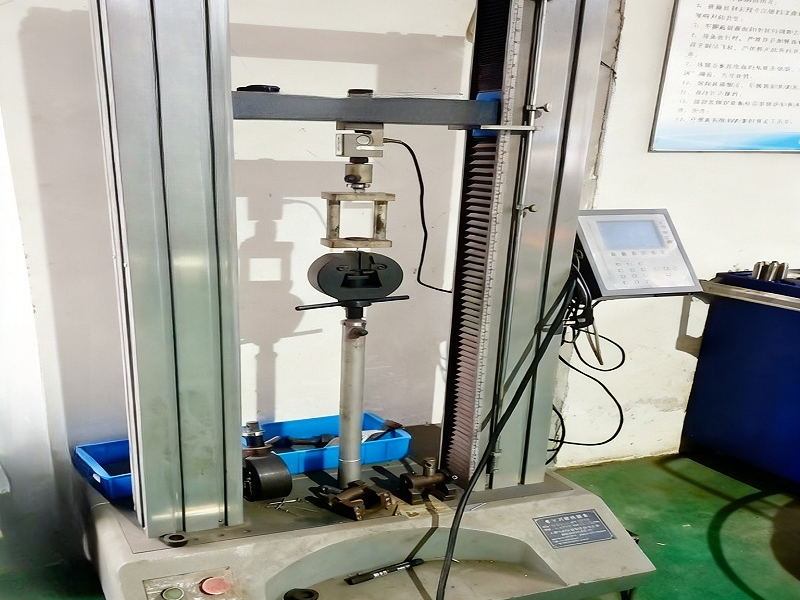
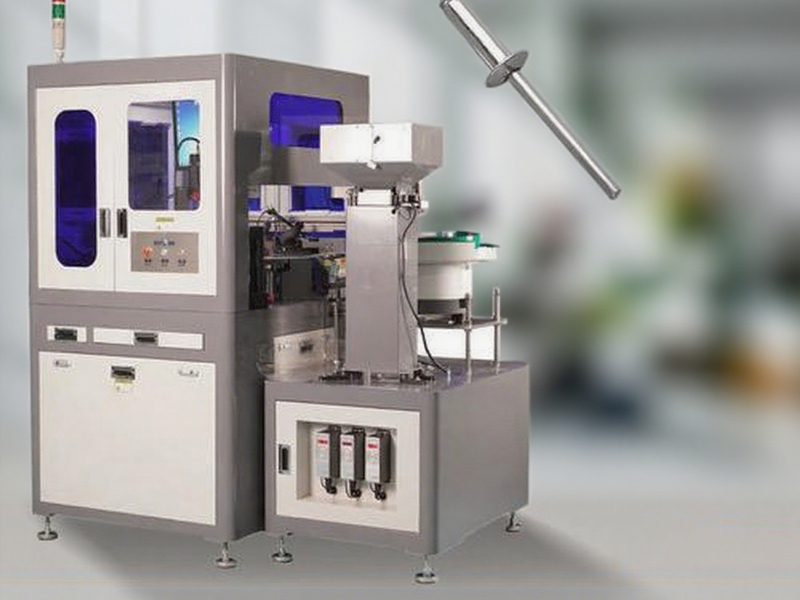
We operate fully automated multi-station cold forming machines, high-precision CNC equipment, automated optical sorting machinery, structural fatigue testing rigs, and specialized polishing/surface treatment facilities to maintain sub-micron tolerance levels across high-volume production batches.
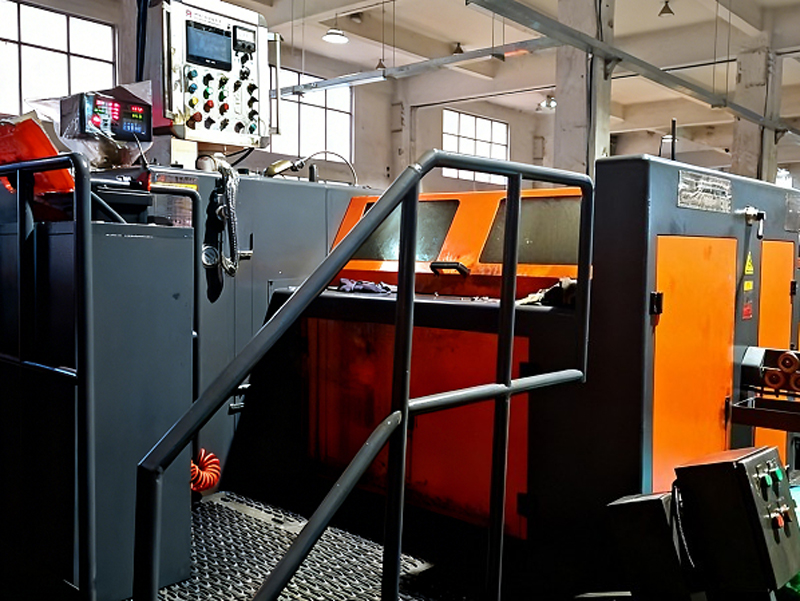
Multi-Station Cold Forming Machine
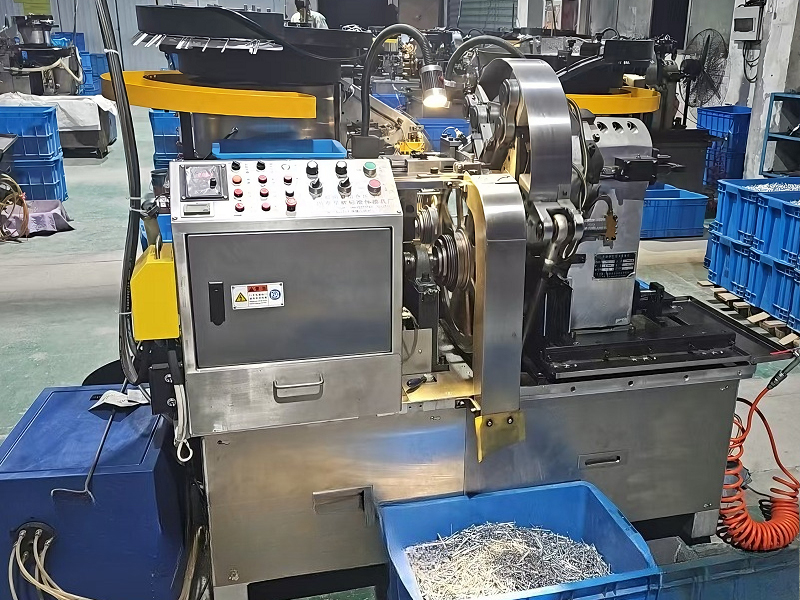
Tensile & Shear Testing Equipment
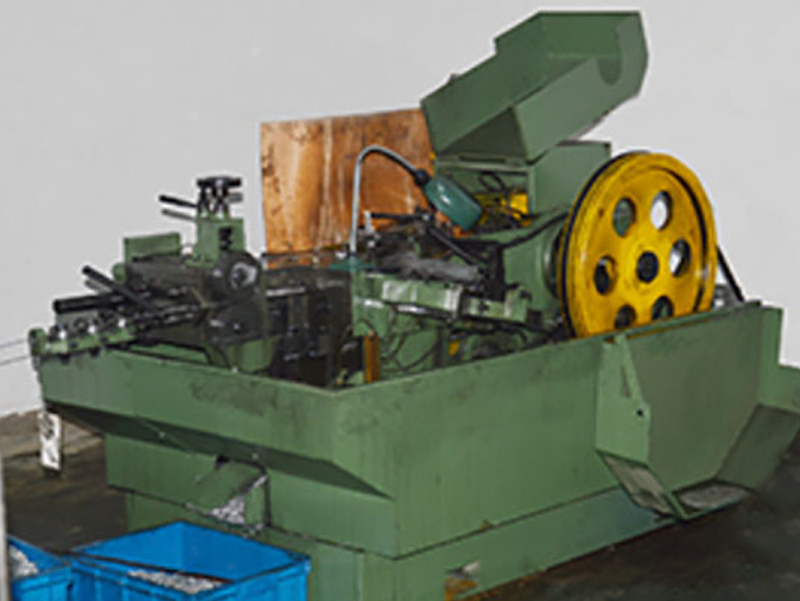
Automated Assembly Line
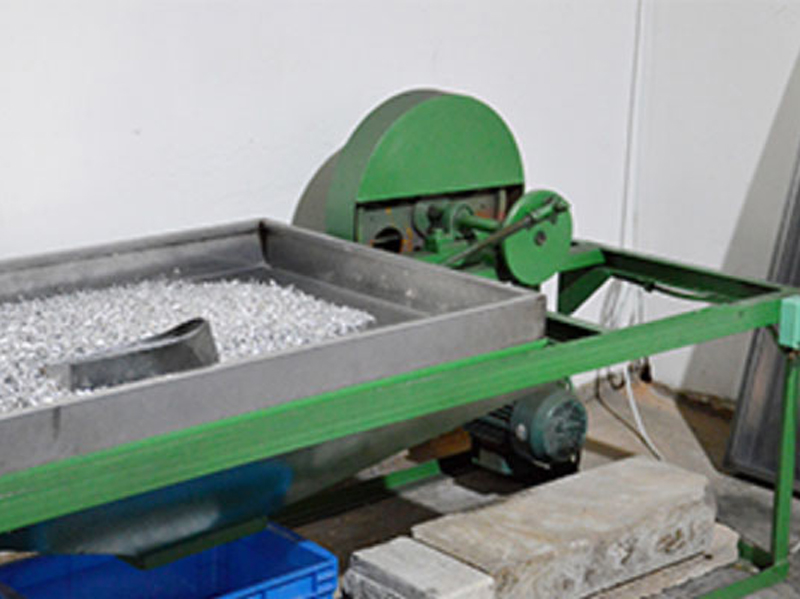
Surface Polishing & Passivation
Automated Optical Sorting & Packing
Metrology & Metallurgical Inspection
Comprehensive comparative analysis to guide structural engineers in selecting the optimal fastening architecture.
| Insert Class | Primary Locking Mechanism | Torsion-Out Resistance | Pull-Out Capacity | Host Material Suitability | Typical Applications |
|---|---|---|---|---|---|
| Key-Locking Inserts (Keenserts Type) | Pre-installed solid locking keys driven into parent material | Extremely High (>120 Nm) | Ultra High (>45 kN) | Aluminum Alloys, Magnesium, Cast Iron, Steel | Aerospace Engines, Heavy Defense Vehicles, Turbines |
| Heavy Duty Hex Rivet Nuts | Full Hexagonal body design mating with hex hole profile | Very High (>85 Nm) | High (>28 kN) | Thin Sheet Metal, Tubular Steel, Automotive Frame | Automotive Chassis, EV Battery Enclosures, HVAC |
| Self-Tapping Threaded Inserts | Cutting slots / external cutting threads into substrate | High (>60 Nm) | High (>25 kN) | Soft Metals, Hard Plastics, Hardwood, Cast Iron | Engine Blocks, Transmissions, Electrical Housings |
| Tri-Fold / Lantern Structural Inserts | 3-Leg folding blind side clamping foot with wide load spread | Medium to High | High on Soft/Thin Sheets | Thin Sheet Metal, Composites, Plastics, Fiberglass | Automotive Body Panels, Trim Attachment, RV Roofs |
| Closed-End Waterproof Inserts | Sealed end cup preventing liquid/gas migration | High (>55 Nm) | High (>22 kN) | Sheet Metal Assemblies, Enclosures, Marine Tanks | Marine Engineering, Sealed Electronics, Outdoor Cabinets |
Across North America, Europe, and Asia-Pacific, heavy-duty inserts power critical structural joints in next-generation engineering systems.
Joining aluminum cast battery trays, crash-box frames, and composite chassis panels where single-sided blind access is mandatory and high dynamic fatigue tolerance is required.
Thread repair and initial installation in aircraft engine casings, landing gear mounts, avionics enclosures, and armored vehicle panels meeting strict NAS/MS aerospace norms.
Anchoring solar panel tracking structures, wind turbine gearboxes, mining equipment, and high-vibration heavy industrial machinery frames.
From thin metal sheets to heavy chemical equipment framing, WUXI AIPLLE provides tested and verified structural integrity.
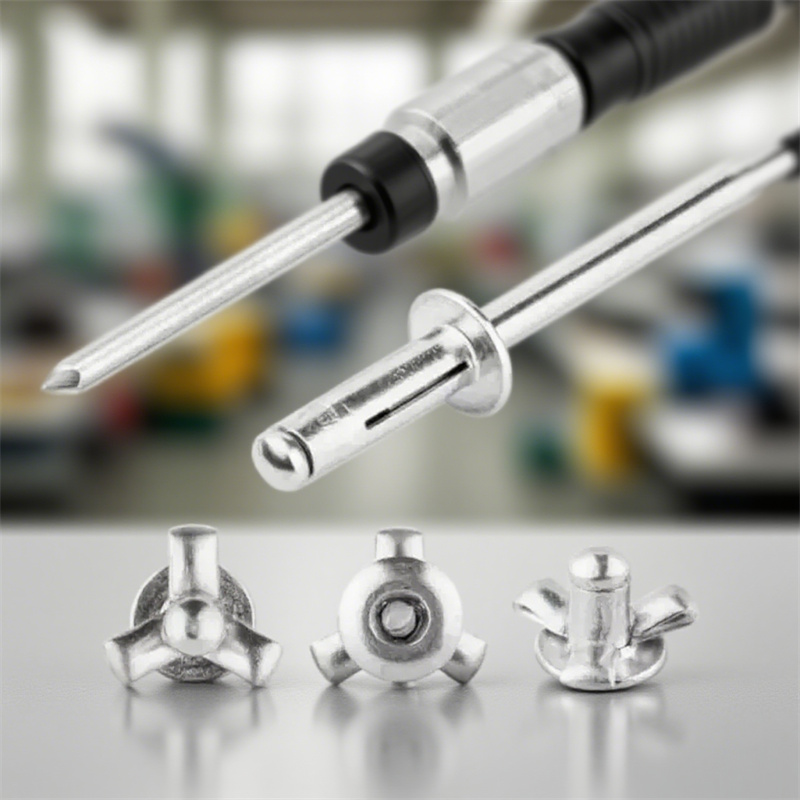
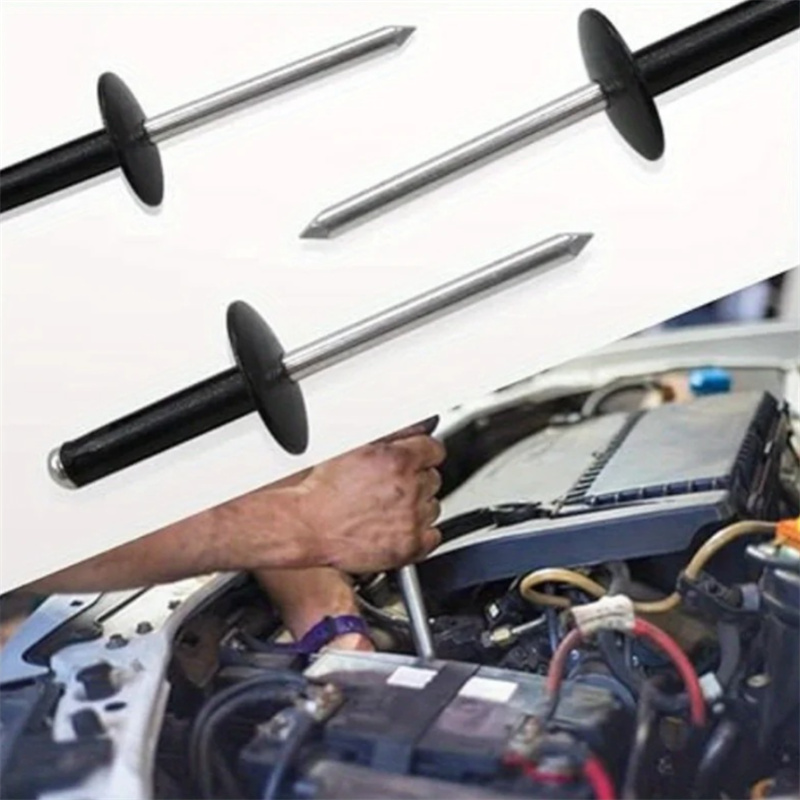
Automotive Chassis & Panels
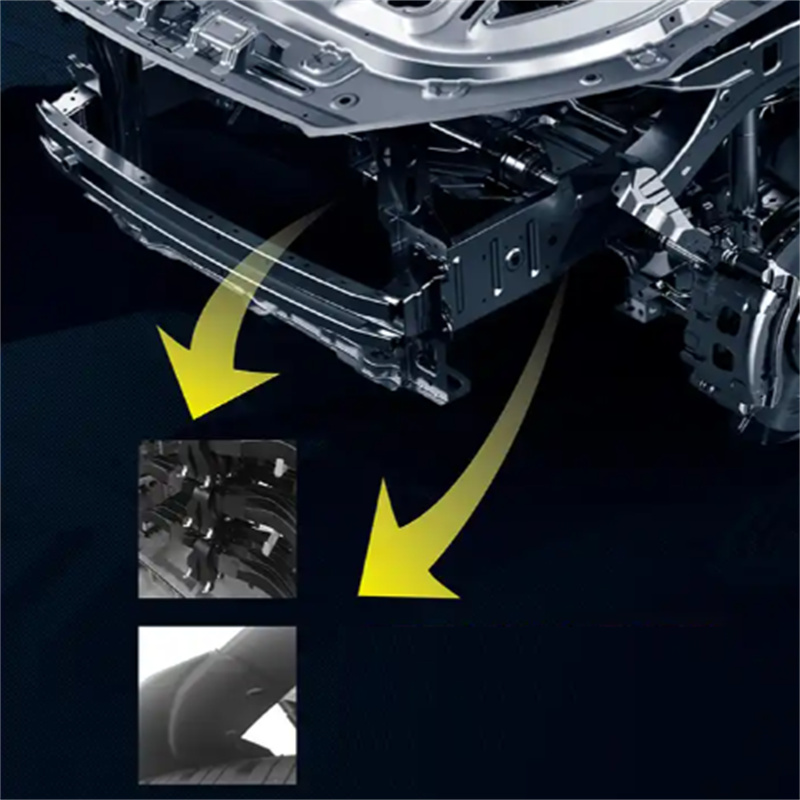
HVAC & Electrical Enclosures
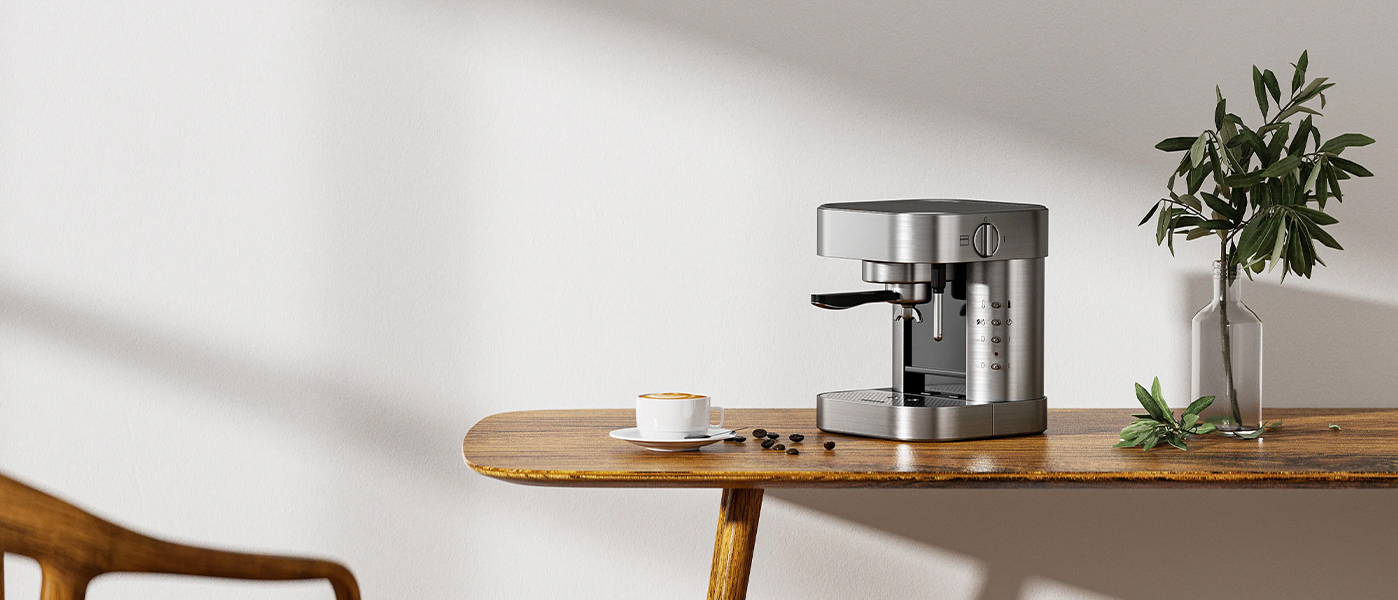
Heavy Equipment & Machinery
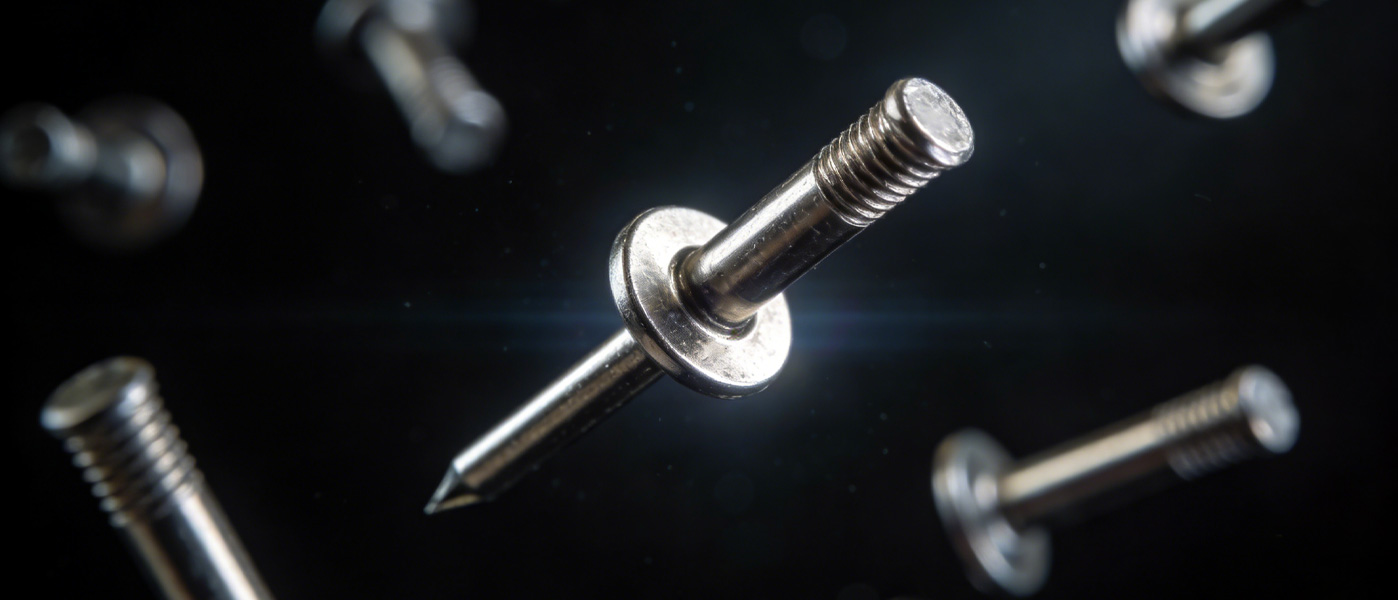
Fine Chemical Industry Infrastructure
Industrial Plant Fastening Solutions
Custom Engineered OEM Components
From metallurgical batch verification to optical automated sorting, every heavy-duty insert meets stringent global compliance standards.
Certified raw wire & rod stock: Polished aluminum, zinc-plated carbon steel, 304/316 stainless steel, and nickel alloys.
High-speed automated multi-station cold headers form exact body geometries and internal/external thread profiles.
Precision robotic integration of insert bodies with structural mandrels or anti-rotation locking pins.
100% automated optical sorting machine checks dimensional tolerances, thread pitch, and surface integrity.
Post-weighing automated box packing, stacking, and reinforced palletizing for safe worldwide container shipment.
Anticipating the demands of lightweight electrification, extreme environments, and automated robotics.
Development of nano-composite Zinc-Nickel and micro-encapsulated thread sealant coatings yielding over 1,500 hours of neutral salt spray corrosion resistance (ASTM B117).
Optimizing insert head chamfers and knurl lead-ins specifically tailored for high-speed robotic arm end-effectors, reducing cycle times by 35% in automated EV production.
Pioneering ultra-light titanium-aluminum bi-metal insert structures engineered for carbon fiber composite airframes and racing vehicle chassis.
Clear, technical answers to common B2B procurement and structural installation questions.
Heavy Duty Threaded Inserts feature a solid wall construction and external anchoring keys (Keylocking type) or heavy knurling/hexagonal profiles. Unlike wire coil inserts which rely solely on radial friction, solid inserts provide significantly higher shear strength, pull-out resistance, and absolute anti-rotation lock, making them ideal for high-torque or high-vibration applications.
Galvanic corrosion occurs due to the potential difference between stainless steel and aluminum. We recommend using zinc-nickel plated carbon steel inserts, applying an approved cadmium/chromate barrier, or selecting passivated 304/316 stainless inserts with isolation dry-film lubricants or sealant rings during installation.
Standard drill bits and taps can prepare the hole and threads. However, driving the pre-installed locking keys mechanically into the parent material requires a dedicated installation tool (manual or pneumatic key-drive tool) to ensure uniform key depth without damaging the internal threads.
Yes. Supported by our experienced engineering group and IATF 16949 production facilities, we regularly manufacture non-standard thread pitches (UNC, UNF, Metric, Fine Thread), extended barrel lengths, high-temp nickel alloys, and custom head styles based on customer CAD drawings.
We provide comprehensive quality documentation package including Mill Test Reports (MTR), Material Compliance Certificates, ISO/IATF certificates, Salt Spray Test Reports, and PPAP Level 3 documentation upon request for automotive automotive OEMs.
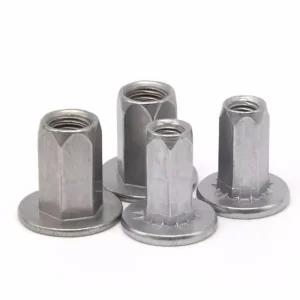
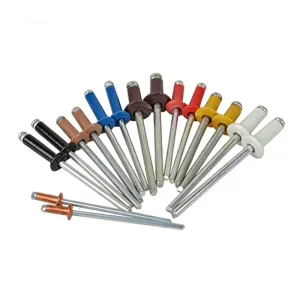
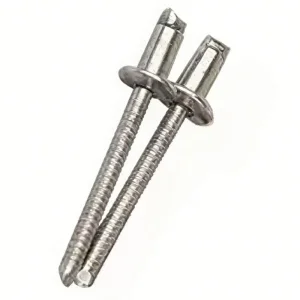
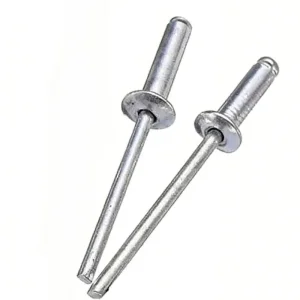
Browse our extensive selection of nickel alloy hex rivet nuts, multigrip blind fasteners, and countersunk industrial rivets.
 AIPLLE METAL